




Introduction
The fashion industry has historically been one of the largest contributors to global pollution, known for excessive water usage, toxic dyes, and overflowing landfills. However, a massive paradigm shift is currently underway. Driven by environmentally conscious consumers and innovative designers, sustainable clothing is no longer just a niche market—it is the future of retail. In this article, we will explore how the industry is evolving to embrace eco-friendly practices and what this means for the future of women clothing.
The Rise of Eco-Friendly Fabrics
The most significant change in the production of clothing is the shift away from synthetic, petroleum-based fabrics like traditional polyester. Today, manufacturers are heavily investing in sustainable alternatives. Organic cotton, which uses significantly less water and zero harmful pesticides, is becoming a staple. Additionally, innovative materials like Tencel (made from sustainably sourced wood pulp) and recycled polyester (made from plastic bottles) are dominating the market. These fabrics allow brands to create beautiful women clothing without leaving a devastating ecological footprint.
Ethical Manufacturing and Fair Trade
Prioritizing Human Rights
Sustainability isn't just about the environment; it’s also about the people making the garments. The industry is moving toward greater transparency regarding factory conditions. Brands are increasingly demanding fair wages, safe working environments, and reasonable hours for garment workers.
Certifications Matter
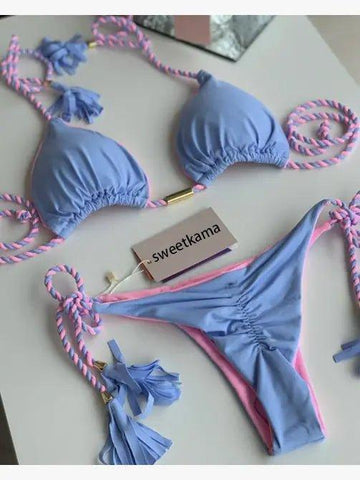
Consumers are now looking for Fair Trade and ethical manufacturing certifications on their clothing tags. Forward-thinking brands, including modern labels like Sweetkama, are recognizing the importance of ethical production, ensuring that their stylish pieces are made with respect for both the planet and its people.
The Circular Fashion Economy
The traditional "take-make-dispose" model of fast fashion is slowly being replaced by the circular fashion economy. This model focuses on designing clothing that can be reused, repaired, or recycled at the end of its life cycle. Brands are launching take-back programs where customers can return old garments to be upcycled into new textiles. This evolution encourages consumers to view their women clothing as a long-term investment rather than a disposable commodity, drastically reducing textile waste.
Slow Fashion and Capsule Wardrobes
As part of the sustainability movement, the concept of "slow fashion" is gaining incredible traction. Instead of churning out 52 micro-seasons a year, many brands are slowing down production to focus on high-quality, timeless pieces. This aligns perfectly with the growing consumer desire for capsule wardrobes—small collections of versatile clothing that can be worn year-round. By focusing on durability and classic design, the fashion industry is teaching consumers to buy less, but buy better.
Conclusion
The evolution toward sustainable clothing is a necessary and exciting transformation for the global fashion industry. Through the adoption of eco-friendly fabrics, ethical manufacturing, and circular economies, brands are proving that style and sustainability can coexist. As retailers and consumers alike continue to support responsible labels like Sweetkama, the world of women clothing will continue to innovate, paving the way for a greener, more ethical future in fashion.


