




Introduction
Starting a fashion boutique is an exciting venture, but your success heavily relies on the partners you choose behind the scenes. Finding the right clothing supplier is arguably the most critical step in establishing a profitable retail business. The quality of your inventory, your profit margins, and your ability to meet customer demands all hinge on this pivotal decision. In this guide, we will explore the essential factors you need to consider when selecting a supplier to ensure your boutique thrives in the competitive world of women clothing.
Understand Your Boutique’s Needs
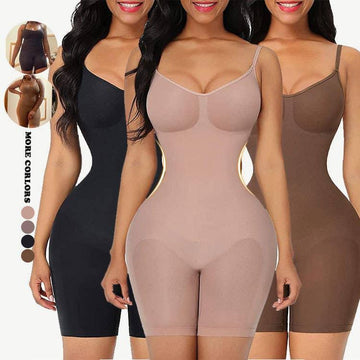
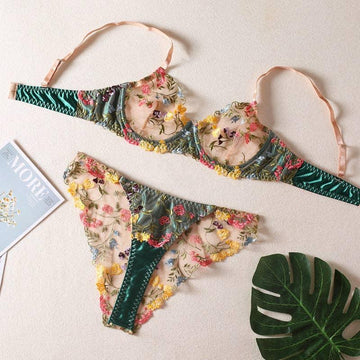
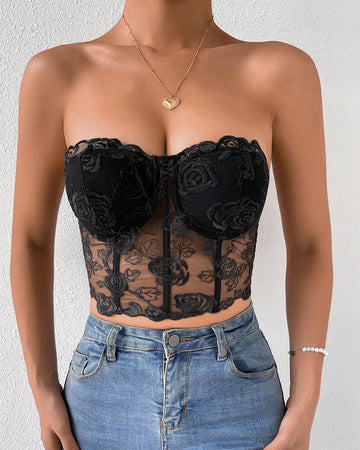
Before you start reaching out to vendors, you must have a crystal-clear understanding of your target audience and brand identity. Are you selling high-end luxury garments, or are you focused on affordable, everyday women clothing? Knowing your niche will help you filter out suppliers that don't align with your aesthetic or price point. Make a list of your non-negotiables, such as minimum order quantities (MOQs), preferred fabrics, and specific styles.
Evaluate Quality and Consistency
Order Sample Products
Never commit to a large order without first seeing and feeling the garments. A reputable clothing supplier will always allow you to purchase samples. When evaluating these samples, check the stitching, fabric quality, and sizing accuracy. Consistent quality is what keeps customers coming back to your store.
Check Brand Reputations
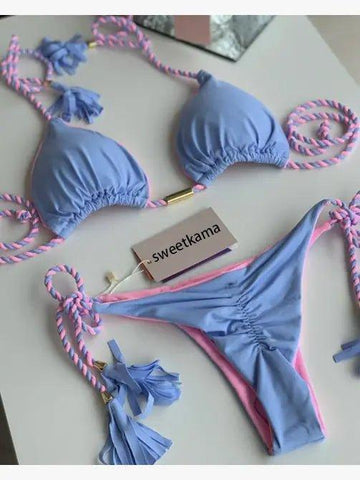
Look for suppliers that have a proven track record. For instance, partnering with a trusted brand like Sweetkama ensures that you are receiving trendy, well-manufactured pieces that appeal to modern shoppers. A supplier’s reputation in the industry is often a direct reflection of the quality they provide.
Analyze Shipping and Production Times
In the fast-paced fashion industry, timing is everything. If your clothing supplier takes too long to manufacture or ship items, you risk missing out on seasonal trends. Ask potential suppliers about their average turnaround times for both production and shipping. It is also wise to inquire about their contingency plans for supply chain disruptions. Reliable suppliers will have transparent communication regarding any potential delays.
Consider Pricing and Profit Margins
While quality should never be compromised, you also need to ensure that the wholesale prices allow for healthy retail markups. Compare pricing structures among different suppliers, but remember that the cheapest option is rarely the best. Look for a balance between affordability and quality. Factoring in shipping costs and potential bulk discounts will give you a clearer picture of your actual profit margins.
Conclusion
Selecting the perfect clothing supplier requires patience, research, and due diligence. By understanding your brand's needs, prioritizing quality, and partnering with reliable names like Sweetkama, you can build a strong foundation for your boutique. Remember that your supplier is essentially a business partner; their reliability directly impacts your success in the vibrant market of women clothing.


