

As a boutique owner, your reputation is stitched into every garment you sell. In the competitive world of retail, curating a collection that resonates with customers is paramount. While sourcing wholesale boutique clothing, it's tempting to be swayed by a low price tag, but true profitability lies in value, not just cost. Low-quality inventory leads to customer dissatisfaction, costly returns, and a tarnished brand image. The real challenge—and opportunity—is to find pieces that balance current trends with lasting quality, ensuring your customers feel confident in their purchase and return for more.
This guide will empower you to look beyond the initial cost and become an expert at identifying high-quality apparel. By learning to spot the subtle markers of superior craftsmanship, you can build a curated inventory that elevates your brand, delights your clientele, and strengthens your bottom line.
1. The Foundation: Fabric Composition and Feel
The single most important quality indicator of any garment is its fabric. The material dictates a piece's drape, comfort, durability, and care requirements. A beautiful design rendered in poor-quality fabric will inevitably disappoint. When evaluating wholesale samples or product descriptions, pay close attention to the composition.
Understanding Fiber Types
Fibers fall into two main categories, and high-quality garments often use them strategically:
- Natural Fibers: These come from plants and animals. Think cotton, linen, silk, and wool. They are prized for their breathability and luxurious feel against the skin. Look for premium varieties like Pima cotton for exceptional softness or Tencel™ Lyocell, a sustainable fabric known for its beautiful drape and moisture-wicking properties. A summer collection built around breathable linen blends is a sign of a supplier who understands seasonal needs.
- Synthetic & Semi-Synthetic Fibers: These include polyester, nylon, rayon, and modal. Modern synthetics are not what they used to be; high-tech versions offer incredible durability, wrinkle resistance, and colorfastness. The key is the quality of the fiber. A high-grade polyester can mimic the feel of silk, while a cheap version feels stiff and traps heat. Smart blends, like a cotton/modal mix for an ultra-soft tee or a touch of spandex in denim for comfortable stretch, often provide the best of both worlds.
Assessing Fabric Weight and Weave
Hold the fabric up to a light source. Can you see through it easily? Unless it's an intentionally sheer style, this often indicates a low thread count and flimsy construction that won't last. For knits like t-shirts, a higher GSM (grams per square meter) generally signifies a more substantial, higher-quality piece. Feel the fabric—does it have a smooth, consistent texture or does it feel rough and uneven? A tight, dense weave is a hallmark of durability.
2. Construction and Stitching: The Anatomy of a Garment
How a garment is assembled is a clear indicator of the manufacturer's attention to detail. Excellent construction ensures a piece will maintain its shape and withstand wear and washing. This is where you can truly differentiate your boutique's offerings from mass-market fast fashion.
Check the Stitches Per Inch (SPI)
Gently pull at a seam. Do you see significant gaps between the threads? A high-quality garment will have a high number of stitches per inch (SPI). More stitches create a tighter, stronger, and more durable seam that is less likely to pucker or pop under stress. A low SPI, common in quickly produced fast fashion, is a major red flag for longevity.
Examine the Seam and Hem Finishing
Turn a garment inside out to inspect its inner workings. This is where shortcuts are most often taken.
- Finished Seams: Look for enclosed seams like French seams (common in high-end blouses) or neatly serged edges that prevent fraying. Unfinished, raw edges that are already unraveling signal poor craftsmanship.
- Even Hems: Check the hems on sleeves and the garment's bottom. Are they straight, even, and securely stitched? A blind hem on a pair of trousers creates a much cleaner, more professional look than a simple folded-over stitch.
3. Hardware and Trims: The Small Details that Matter Most
The buttons, zippers, and other embellishments on a piece of clothing are like jewelry for the garment. Quality suppliers of wholesale boutique clothing understand that these small details have a huge impact on the overall perceived value.
Buttons, Zippers, and Fastenings
Flimsy plastic buttons that feel like they could snap are a tell-tale sign of cost-cutting. Look for substantial buttons made from materials like resin, wood, or mother-of-pearl. Check that they are sewn on securely, ideally with a thread shank for added durability. A thoughtful touch is the inclusion of a spare button. For zippers, check for trusted brands like YKK. The zipper should glide smoothly without catching or snagging. The type of zipper should also match the garment—a delicate, invisible zipper for a dress versus a sturdy metal zipper for a jacket.
Linings and Embellishments
A well-made garment, especially a blazer, skirt, or dress, will often be lined. A quality lining not only feels better against the skin but also helps the garment hang correctly and extends its life. Check that the lining is made from a breathable, anti-static material and is not pulling or bunching. If the piece has beading or embroidery, inspect it closely. Is it secure and neat, or are there loose threads and missing pieces?
4. Cut, Fit, and Pattern Matching: Hallmarks of Expertise
The most beautiful fabric and flawless stitching are meaningless if the garment is poorly cut. A superior cut ensures a flattering fit that drapes correctly on the body, which is a key driver for customer satisfaction and reduced returns.
The Consistency of the Cut
A well-designed piece is cut with the fabric's grain, allowing it to move and hang as intended. This expertise is what creates that "perfect fit" customers search for. When working with a new wholesale supplier, it's wise to order a few different sizes of the same item to check for consistency. A reliable partner will have excellent quality control, ensuring that a size Small is always a size Small, building trust with both you and your end customer.
The Art of Pattern Matching
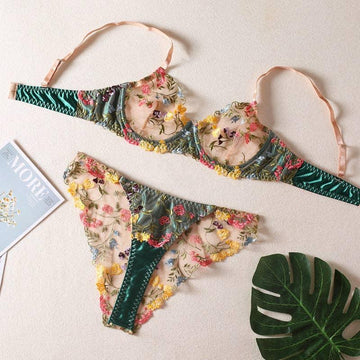
This is one of the easiest ways to spot a high-quality item from a distance. On a garment with a pattern—stripes, plaid, or a large floral print—check if the pattern aligns at the seams. On a well-made striped shirt, the stripes will match up perfectly across the side seams and shoulder seams. On a plaid blazer, the pattern will flow seamlessly from the body to the pockets. Mismatched patterns are a clear sign that the manufacturer prioritized saving fabric over creating a beautiful, cohesive final product.
Conclusion: Invest in Quality for a Thriving Boutique
Sourcing for your boutique is about more than just chasing trends; it's about building a brand that stands for quality and trust. By looking beyond the price tag and training your eye to spot the seven key signs of craftsmanship—fabric quality, stitch density, seam finishing, hardware, linings, cut, and pattern matching—you can curate a collection that truly stands out. Investing in higher-quality wholesale boutique clothing translates directly into a better customer experience, fewer returns, glowing reviews, and the loyal clientele that forms the bedrock of a successful retail business.
Ready to Elevate Your Inventory?
Stop compromising on quality. Discover the difference that superior craftsmanship makes for your boutique and your customers. Explore our curated collections of premium wholesale women's fashion, designed with an unwavering commitment to quality and style.


