

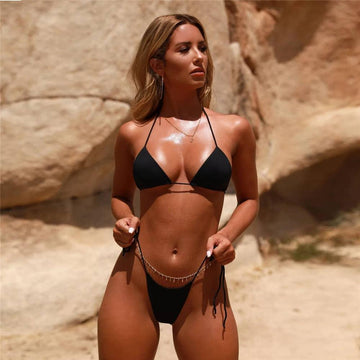
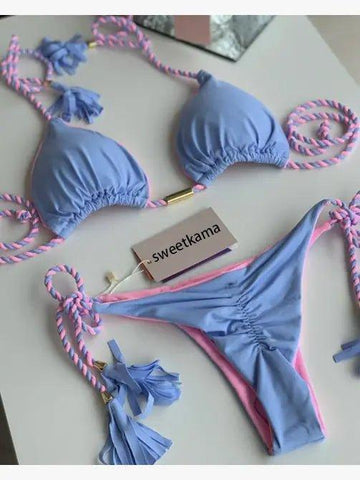
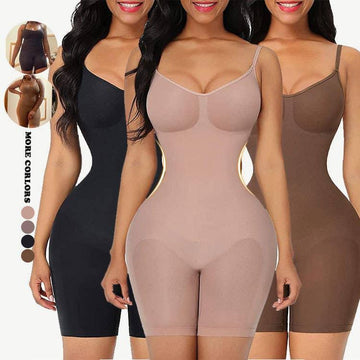
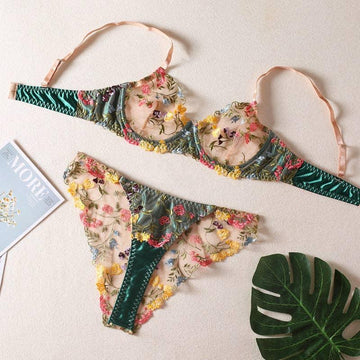

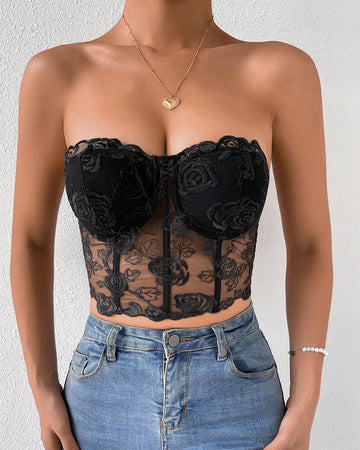

You launched your Shopify store with a vision: to curate a beautiful collection of women's fashion that your customers would love. The branding is perfect, the website is stunning, but now you're facing the single most critical challenge for any online boutique owner: sourcing inventory. Finding reliable, high-quality, and profitable wholesale boutique clothing can feel like searching for a needle in a haystack. It's the engine of your business, and the right choice can lead to soaring sales, while the wrong one can lead to stagnant inventory and frustrated customers.
Many new entrepreneurs fall into the trap of thinking the cheapest option is the best. But seasoned retailers know that true profitability isn't just about a low initial cost. It's about quality that commands a fair price, styles that fly off the virtual shelves, and a supplier relationship that supports your growth. This guide is your roadmap to navigating the world of wholesale fashion, helping you make informed decisions that will build a thriving and profitable Shopify boutique.
Why Your Wholesale Partner is the Cornerstone of Your Shopify Success
Before we dive into where to find suppliers, it's crucial to understand why this decision is so foundational. Your wholesale partner is more than just a vendor; they are an extension of your brand. The quality of their products directly reflects on your boutique's reputation and long-term viability.
Beyond the Price Tag: The True Cost of "Cheap" Wholesale
It's tempting to be lured by rock-bottom prices, especially when you're managing a tight budget. However, sourcing low-quality goods often costs you more in the long run. Consider these hidden costs:
- High Return Rates: Poorly constructed garments, inconsistent sizing, and cheap fabrics lead to customer disappointment and returns. According to industry reports, the average return rate for e-commerce can be as high as 20-30%, with fashion being a leading category. Each return costs you in shipping, processing time, and potentially a lost customer.
- Negative Reviews: A dissatisfied customer is far more likely to leave a review than a satisfied one. A few negative reviews about "cheap material" or "fell apart after one wash" can permanently damage your brand's credibility and deter future buyers.
- Dead Stock: Unflattering, low-quality items simply don't sell. This "dead stock" ties up your capital, takes up space, and eventually has to be heavily discounted or written off as a loss.
The Profitability Equation: Quality, Margin, and Sell-Through Rate
True profitability is a three-part equation. Sourcing excellent wholesale boutique clothing positively impacts each variable:
- Quality → Higher Perceived Value: High-quality fabrics, excellent stitching, and on-trend designs allow you to set higher retail prices. Customers are willing to pay more for a piece they know will last and make them feel great. This widens your profit margin significantly.
- Margin → The Sweet Spot: This is the difference between your wholesale cost and your retail price. A great supplier offers competitive pricing on high-quality goods, allowing you to achieve healthy margins (typically 50-60% for boutiques) without sacrificing quality.
- Sell-Through Rate → Cash Flow is King: This metric measures how quickly your inventory sells. A supplier who consistently delivers desirable, on-trend styles ensures your products move fast. A high sell-through rate means your cash isn't tied up in inventory, allowing you to reinvest in new, fresh styles for your store.
Decoding the World of Wholesale: Where to Find Your Perfect Inventory
Now that you understand what to look for, where do you actually find these ideal partners? The landscape of sourcing wholesale clothing has evolved, offering several avenues for Shopify owners.
The Big Players: Wholesale Marketplaces
Online marketplaces are massive platforms that aggregate thousands of vendors under one digital roof. They are often the first stop for new boutique owners.
- Examples: FashionGo, LA Showroom, Faire.
- Pros: Incredible variety, the convenience of browsing many brands at once, and streamlined ordering processes. You can discover new brands you might not have found otherwise.
- Cons: The sheer volume can be overwhelming. It's harder to build a personal relationship with the brands themselves, and prices might be slightly inflated to cover the marketplace's commission fees. You're also buying from the same pool as thousands of other boutiques, making it harder to stand out.
The Direct Connection: Working with Independent Brands and Wholesalers
This is often where savvy boutique owners find their competitive edge. By partnering directly with a brand or a dedicated wholesaler, you can build a relationship that benefits both parties.
- Pros: You often get better pricing by cutting out the middleman. You build a direct line of communication, leading to better customer service, insights into upcoming collections, and sometimes even the opportunity for exclusive items. This is the best way to cultivate a unique product assortment for your Shopify store.
- Cons: It requires more effort to discover and vet these suppliers. You'll need to do your own research through targeted Google searches (e.g., "USA based women's wholesale clothing," "LA fashion district wholesale"), social media (searching hashtags like #wholesaleboutique and #boutiquesupplier), and industry networking.
The Treasure Hunt: Attending Trade Shows
For those who are able, trade shows are an invaluable sourcing experience. They are industry events where brands showcase their upcoming collections for retailers to browse and order in person.
- Examples: MAGIC in Las Vegas, Dallas Market Center, Atlanta Apparel.
- Pros: The ability to see and touch the garments is a game-changer. You can assess the quality firsthand, meet the people behind the brand, and discover emerging trends before they hit the mainstream.
- Cons: The cost of travel, accommodations, and tickets can be a significant investment, especially for a new business. They can also be overwhelming if you don't go in with a clear plan.
The Ultimate Vetting Checklist: 7 Questions to Ask a Potential Wholesale Supplier
Once you've identified a potential supplier, don't rush to place an order. Treat it like an interview. Asking the right questions upfront can save you from costly mistakes. Here is your checklist for vetting any potential partner for wholesale boutique clothing.
- What are your Minimum Order Quantities (MOQs)? MOQs are the minimum amount you have to purchase, either in dollars or units. Some vendors have high MOQs that are prohibitive for new boutiques. Look for suppliers with low or no MOQs to start, allowing you to test styles without a huge financial commitment.
- Can you describe your quality control process? A reputable supplier will be proud to talk about their QC process. This question shows them you're a serious buyer who prioritizes quality, and their answer will reveal how much they care about their product.
- What is your policy for damaged or defective items? Problems are inevitable. A great partner will have a clear, fair, and easy process for handling returns or issuing credit for defective merchandise. A vague or non-existent policy is a major red flag.
- What are your typical shipping times and costs? In the fast-paced world of e-commerce, speed is everything. You need to know how quickly you can get your inventory and how much it will cost so you can manage your stock levels and factor shipping into your pricing.
- Do you provide high-quality product imagery I can use? This is a huge value-add! Professional photos can save you hundreds of hours and thousands of dollars in photography costs. Ask if they provide both model shots and flat lays for use on your Shopify store and social media.
- How often do you release new arrivals? Fashion moves fast. A supplier who drops new, on-trend collections frequently allows you to keep your store's offerings fresh and exciting, encouraging repeat customers.
- Do you offer dropshipping or pre-order options? Even if you don't plan to use these services now, it's good to know your options. Pre-orders can help you gauge interest in a new style before committing to inventory, while dropshipping can supplement your core collection with zero risk.
Maximizing Profitability: Smart Sourcing Strategies for Your Shopify Store
Sourcing isn't just a one-time task; it's an ongoing strategy. As you grow, refine your approach to maximize your return on investment.
The Art of the "Good, Better, Best" Assortment
Curate your collection with a tiered pricing strategy in mind. Source a mix of products that appeal to different budgets:
- Good: Your core basics and entry-level trend pieces. These are your high-volume items, like a perfect-fit basic tee or a simple tank top, that have a lower price point but a great margin.
- Better: Your bread-and-butter. These are the stylish blouses, everyday dresses, and quality denim that make up the bulk of your collection and carry a solid retail price.
- Best: Your "wow" pieces. These are the statement dresses, premium outerwear, or unique occasion pieces. You'll carry less inventory of these, but they have the highest profit margin and elevate the perceived value of your entire brand.
Test, Learn, and Scale
One of the biggest mistakes new boutique owners make is going too deep on an unproven style. Protect your cash flow by placing smaller initial orders on new items. Use your Shopify analytics and customer feedback to see what sells. Once you have a proven winner, you can confidently re-order in greater depth and across more colors or variations. This data-driven approach to sourcing wholesale boutique clothing minimizes risk and maximizes profit.
Your Partner in Profitability
Building a successful Shopify boutique is a journey, and sourcing is the most important leg of that trip. It requires research, strategy, and a commitment to quality over cost. By moving beyond the simple search for "cheap" wholesale and instead focusing on finding a true partner, you set the foundation for a brand that customers trust, love, and return to again and again.
The right supplier doesn't just sell you clothes; they provide the on-trend, high-quality inventory that becomes the heart of your brand and the driver of your profits. Stop the endless, frustrating search and start building a collection you're proud of.
Ready to source with a partner dedicated to your boutique's success? Explore our curated collection of high-quality, on-trend wholesale boutique clothing designed for profitability.


